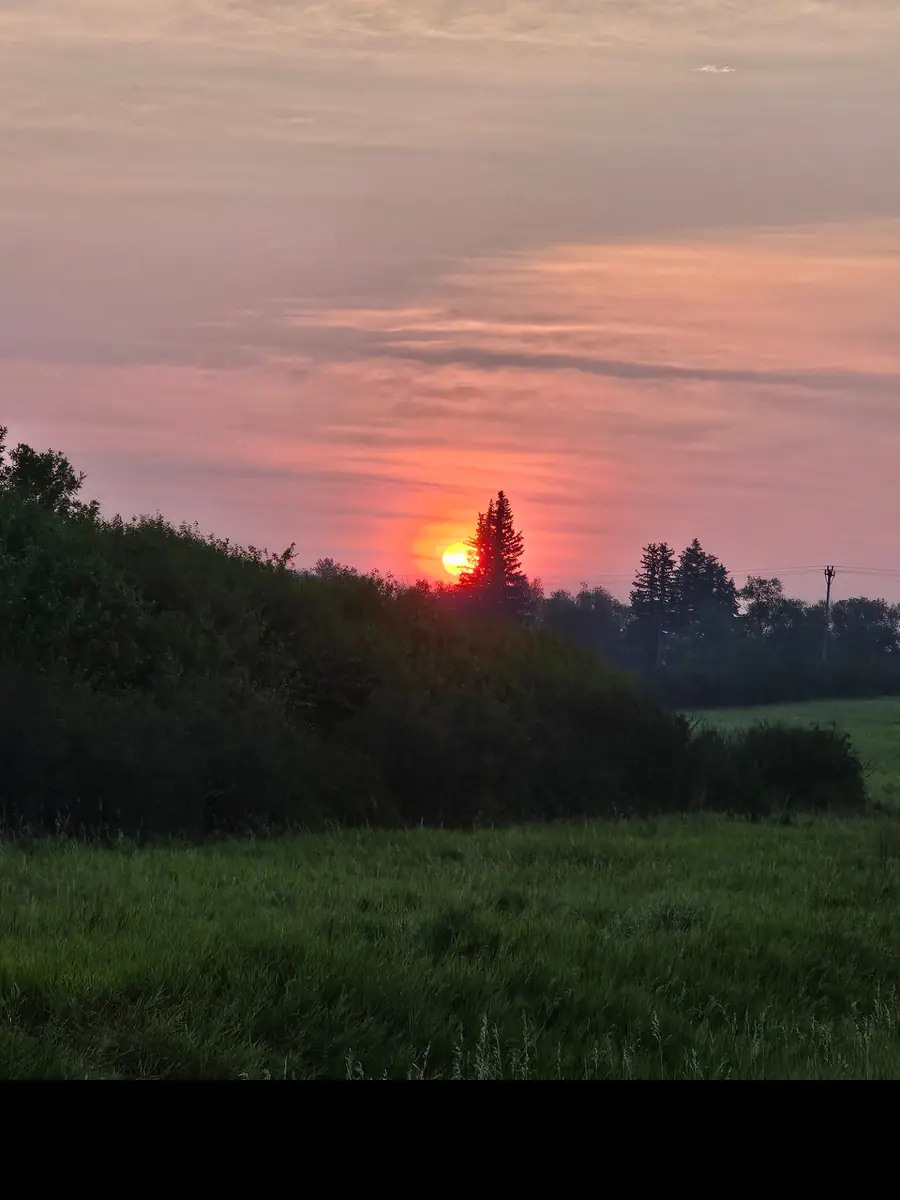
Our story
The History of Java, SD
Java was founded in 1900 on the railroad and has been a small town on the prairie ever since. Here is where we came from.
Know something we missed? Send us your stories and old photos.
Quick facts
- Founded
- 1900
- Incorporated as a town
- 1903
- County
- Walworth County, South Dakota
- Elevation
- about 2,080 feet
- Population in 2020
- 121
- Named for
- coffee
How Java got its name
Java was named after Java coffee. Crews on the Chicago, Milwaukee & St. Paul Railway stopped in town for coffee, and an early nickname for the town was "Coffee Town."
Timeline
- 1900
Java is founded
The railroad reaches the area from Bowdle toward the Missouri River and Java is founded. The Java House, the first hotel, opens the same year, started by H. A. Taylor.
- 1901
First school term
The first school term is held for 23 students ages five to eighteen. A blacksmith shop opens, started by John Banik.
- 1903
Java becomes a town
Java becomes an incorporated town by election after surveyor George Merriman of Bowdle surveys the townsite on September 5. The Java Herald, the first newspaper in town, starts up under Carl F. Clement and is printed in English and German. A frame school building goes up two blocks east of Main Street.
- 1904
First town building
The first town building, a jail, goes up along with gravel streets and an engine house with a fire engine. A telephone booth and switchboard are installed at the Java House.
- 1905
Telephone system
The Kupp brothers, J. C. and George, oversee installing a permanent telephone system for the Dakota Telephone Company.
- 1906
Paying off early debts
A $2,000 bond is passed to pay off the town's early debts from building wooden sidewalks, a water reservoir, a town hall, a well, and a windmill to grind grain.
- 1907
A growing town
Java has fire protection, a cemetery association, a water supply, and improved phone service. The Milwaukee Land Company adds a section of town north of the railroad.
- 1908–1909
The railroad moves
The railroad moves its main track about a half mile north of town. Railroad officials suggested moving the town north, but residents said no, and Java was served by a spur line.
- 1913
Four churches
Java has four churches: Catholic, Presbyterian, German Lutheran, and German Congregational.
- 1915
Cement sidewalks
Cement sidewalks replace the wooden ones on Main Street. The town hall is remodeled, the jail is moved, and a bell tower is built.
- 1916
Light plant
A municipal light plant is built.
- 1921
Brick school and a new city
A fireproof brick schoolhouse is built. Java is also reorganized from a town into a city with a mayor and aldermen, and Carl F. Clement becomes the first mayor.
- 1939–1940
Waterworks and city building
A Works Progress Administration project builds a waterworks system for homes and businesses, and a city building goes up under a WPA project.
- 1947
City park
A park board is created and sets up a city park just west of the schoolhouse.
- 2001
Java Depot honored
The Java Depot is listed on the National Register of Historic Places.
The people who settled here
Many of the first homesteaders came from German, Russian, Dutch, English, and Hungarian families. The town's first newspaper, the Java Herald, was printed in both English and German so more neighbors could read it.
Java School
The first school term was held in 1901 for 23 students ages five to eighteen. In 1903 a frame school building went up two blocks east of Main Street. In 1921 a fireproof brick schoolhouse was built, and it still stands today. Java High School alumni still get together for reunions.
Population over time
- 1910473
- 1920527
- 1930529
- 1940493
- 1950433
- 1960406
- 1970305
- 1980261
- 1990161
- 2000197
- 2010129
- 2020121
Java peaked at 529 people in 1930. Many small prairie towns have seen similar changes over the last century.
Photo gallery
Have an old photo of Java? Send it in and we will add it with credit to you.
- Photo coming soon
Main Street - Photo coming soon
The old blacksmith shop - Photo coming soon
The grain elevators - Photo coming soon
The 1921 schoolhouse - Photo coming soon
The Java Depot - Photo coming soon
The city building
Want to learn more? Look for yourself.
Java, South Dakota on Wikipedia
A general overview of the town's history and census numbers.
Visit site (opens in a new tab)Java Herald newspaper record, Library of Congress
Catalog record for the town's early newspaper, with details on where copies can be found.
Visit site (opens in a new tab)South Dakota State Archives
The state's official archive of government records, photos, maps, and newspapers on microfilm. Open by appointment.
Visit site (opens in a new tab)Walworth County genealogy and history resources
A list of Java history books, reunion books, and old newspaper extractions.
Titles to look for: "Java SD, Centennial Memories, 1900 to 2000," "Java SD, Diamond Jubilee, 1900 to 1975," and "Java SD, All High School Reunion, 1986."
Visit site (opens in a new tab)Java City Building historical marker
Photo and details of the 1940 WPA marker in town.
Visit site (opens in a new tab)National Register of Historic Places in Walworth County
Includes the Java Depot.
Visit site (opens in a new tab)U.S. Census Bureau data for Java
Official population and housing numbers.
Visit site (opens in a new tab)
Explore Java today
See what's happening Around Town, or check hours at the Bar and Cafe.
Sources for this page
- Pioneer Footprints by Elmer Schlepp (Java 75th Jubilee Book Committee, 1975)
- South Dakota Place-Names (Federal Writers' Project, University of South Dakota, 1940)
- History of Java High School by Fritz and Bruce Clement (1986)
- U.S. Decennial Census
- South Dakota State Historical Society
This page was put together by a Java resident from public sources. If you spot a mistake or have a better source, please contact us.